


Installing outdoor wall lighting in a historical building can be a challenging yet rewarding project. As a supplier of outdoor wall lighting, I've seen firsthand how the right lighting can transform the look and feel of these precious structures. In this blog, I'll share some tips on how to install outdoor wall lighting in a historical building while preserving its historical integrity.
Understanding the Historical Context
Before you start any installation, it's crucial to understand the historical context of the building. Each historical building has its own unique style, period, and architectural features. You need to make sure that the lighting you choose complements these elements rather than detracts from them.
For example, if you're working on a Victorian-era building, you might want to consider lighting fixtures that have ornate details and a warm, traditional glow. On the other hand, a modernist building might call for sleek, minimalist lighting designs. Do some research on the building's history, look at old photos, and consult with local historical societies if possible. This will give you a better idea of what kind of lighting will work best.
Choosing the Right Lighting Fixtures
Once you have a good understanding of the building's historical context, it's time to choose the right lighting fixtures. At our company, we offer a wide range of outdoor wall lighting options that are suitable for historical buildings.
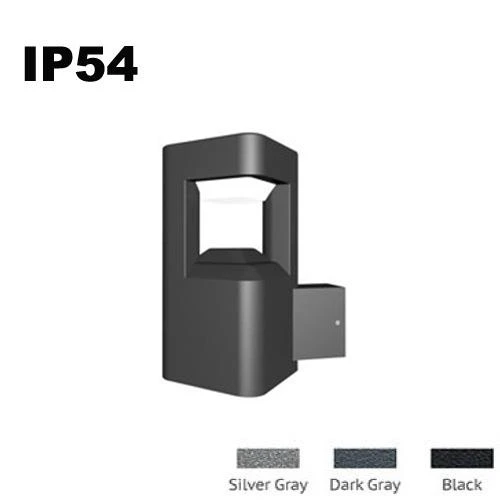

One popular choice is the LED Wall Lamp In Curve With PIR. This lamp has a curved design that can add a touch of elegance to any historical building. The PIR (Passive Infrared) sensor is a great feature as it can detect motion and turn the light on automatically, which is not only convenient but also energy-efficient.
Another option is the LED Wall Light Fixture. This fixture is more minimalist in design, making it a good choice for buildings with a more modernist or contemporary style. It provides a bright, even light that can enhance the visibility of the building's exterior.
If you're looking for something specifically for a garden wall or porch, the Porch Light For Garden Wall is a great option. It has a warm, inviting glow that can create a cozy atmosphere around the entrance of the building.
When choosing lighting fixtures, also consider the color temperature of the light. For historical buildings, a warm white light (around 2700K - 3000K) is often preferred as it gives a more traditional and inviting look compared to a cool white light.
Planning the Lighting Layout
The next step is to plan the lighting layout. You want to create a balanced and harmonious lighting scheme that highlights the building's architectural features without over - illuminating it.
Start by identifying the key features of the building that you want to showcase, such as columns, arches, or decorative details. Place the lighting fixtures in a way that directs light towards these features. For example, you can use wall - mounted uplights to highlight the height of columns or downlights to illuminate steps and entrances.
It's also important to consider the spacing between the lighting fixtures. You don't want them to be too close together, which can create a harsh and uneven lighting effect, or too far apart, which can leave dark spots. A general rule of thumb is to space the fixtures about 8 - 10 feet apart, but this can vary depending on the size and style of the building.
Installation Considerations
Installing outdoor wall lighting in a historical building requires extra care and attention. Here are some installation considerations:
- Electrical System: Check the existing electrical system of the building. Historical buildings may have older electrical systems that may not be able to handle the new lighting fixtures. You may need to upgrade the electrical panel or run new wiring. It's always a good idea to hire a licensed electrician who has experience working on historical buildings.
- Mounting: When mounting the lighting fixtures, make sure not to damage the building's exterior. Use appropriate mounting hardware that is suitable for the type of wall material (e.g., brick, stone, or wood). If possible, use non - invasive mounting methods, such as surface - mounted brackets or adhesive mounts.
- Weatherproofing: Since the lighting fixtures will be exposed to the elements, they need to be weatherproof. Make sure to choose fixtures that are rated for outdoor use and have a high IP (Ingress Protection) rating. This will protect the fixtures from moisture, dust, and other environmental factors.
Maintenance and Preservation
Once the lighting is installed, regular maintenance is essential to keep it in good working condition and to preserve the historical integrity of the building.
- Cleaning: Clean the lighting fixtures regularly to remove dirt, dust, and debris. Use a soft cloth and a mild cleaning solution to avoid scratching the fixtures.
- Bulb Replacement: Replace the bulbs as needed. LED bulbs have a longer lifespan compared to traditional incandescent bulbs, but they will still need to be replaced eventually.
- Inspection: Periodically inspect the lighting fixtures and the electrical connections for any signs of damage or wear. If you notice any issues, address them immediately to prevent further damage.
Conclusion
Installing outdoor wall lighting in a historical building is a project that requires a combination of historical knowledge, design sense, and technical expertise. By understanding the historical context, choosing the right lighting fixtures, planning the layout carefully, and following proper installation and maintenance procedures, you can enhance the beauty and safety of the building while preserving its historical value.
If you're interested in purchasing outdoor wall lighting for your historical building project, we'd love to hear from you. Our team of experts can help you choose the right lighting solutions and provide support throughout the installation process. Contact us today to start the conversation about your lighting needs.
References
- "Historical Building Lighting Design Guidelines" by National Trust for Historic Preservation
- "Outdoor Lighting Handbook" by Lighting Research Center


