



As a trusted supplier of LED column head lamps, I often encounter inquiries from customers about the beam distance of these lamps in different modes. Understanding the beam distance is crucial for proper lighting design and ensuring that the lamps meet the specific needs of various applications. In this blog post, I will delve into the concept of beam distance, explore how it varies in different modes of LED column head lamps, and provide insights to help you make informed decisions for your lighting projects.
Understanding Beam Distance
Beam distance refers to the maximum distance at which a light source can effectively illuminate a target area with a specified level of illuminance. It is typically measured in meters or feet and is influenced by several factors, including the luminous intensity of the light source, the beam angle, and the distribution of light. In the context of LED column head lamps, beam distance determines how far the light can reach and how well it can illuminate the surrounding environment.
Factors Affecting Beam Distance
Several factors can affect the beam distance of an LED column head lamp. These include:
- Luminous Intensity: The luminous intensity of a light source, measured in candelas (cd), determines the amount of light emitted in a specific direction. Higher luminous intensity generally results in a greater beam distance.
- Beam Angle: The beam angle refers to the angle at which the light is distributed. A narrower beam angle concentrates the light in a smaller area, resulting in a greater beam distance. Conversely, a wider beam angle spreads the light over a larger area, reducing the beam distance.
- Light Distribution: The distribution of light within the beam angle also affects the beam distance. A well-designed light distribution pattern can ensure that the light is evenly distributed and focused, maximizing the beam distance.
- Environmental Conditions: Environmental factors such as fog, rain, and dust can scatter and absorb light, reducing the beam distance. Additionally, the reflectivity of the surrounding surfaces can also affect the effective beam distance.
Beam Distance in Different Modes
LED column head lamps often come with multiple modes, such as high, medium, and low modes, to provide flexibility in lighting applications. The beam distance can vary significantly depending on the mode selected. Here's a breakdown of how the beam distance may differ in different modes:
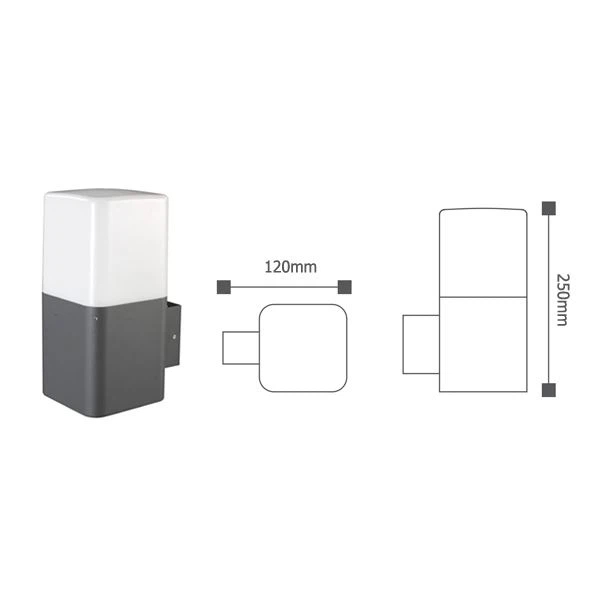
- High Mode: In high mode, the LED column head lamp operates at its maximum power, delivering the highest luminous intensity. This results in a greater beam distance compared to other modes. High mode is ideal for applications that require long-range illumination, such as outdoor security lighting or large outdoor areas.
- Medium Mode: Medium mode offers a balance between luminous intensity and energy consumption. The beam distance in medium mode is typically slightly shorter than in high mode but still provides sufficient illumination for most applications. Medium mode is suitable for general outdoor lighting, such as pathway lighting or garden lighting.
- Low Mode: Low mode operates at a lower power level, reducing the luminous intensity and extending the battery life. The beam distance in low mode is the shortest among the three modes but is still adequate for close-range illumination, such as accent lighting or decorative lighting.
Choosing the Right Beam Distance for Your Application
When selecting an LED column head lamp, it's important to consider the specific requirements of your application and choose a lamp with an appropriate beam distance. Here are some factors to consider:
- Application Area: Determine the size and layout of the area you want to illuminate. For large outdoor areas, a lamp with a longer beam distance may be required. For smaller areas, a shorter beam distance may be sufficient.
- Purpose of Lighting: Consider the purpose of the lighting. If you need to illuminate a specific target, such as a sign or a building, a lamp with a narrow beam angle and a longer beam distance may be more suitable. If you need to provide general illumination for a large area, a lamp with a wider beam angle and a shorter beam distance may be a better choice.
- Environmental Conditions: Take into account the environmental conditions in which the lamp will be used. If the area is prone to fog, rain, or dust, a lamp with a higher luminous intensity and a longer beam distance may be necessary to ensure adequate illumination.
- Energy Efficiency: Consider the energy efficiency of the lamp. While lamps with a longer beam distance may require more power, there are energy-efficient options available that can provide a good balance between beam distance and energy consumption.
Related Products
In addition to LED column head lamps, we also offer a range of other outdoor lighting products that can complement your lighting design. Here are some of our recommended products:
- Outside Light Wall Lamp Fixture: These wall-mounted lamps are perfect for illuminating the exterior walls of your home or building. They offer a variety of styles and designs to suit different architectural styles.
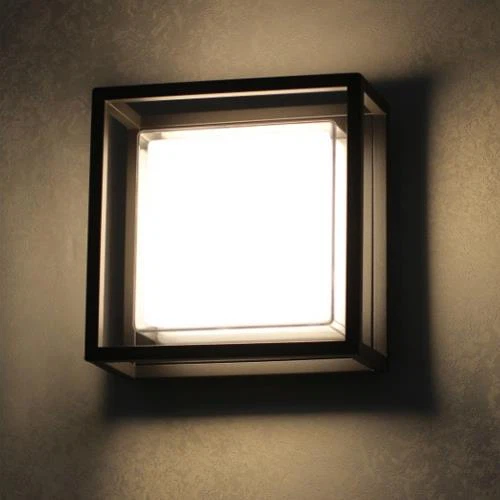
- LED Surface Mounted Wall Light With Grille: These surface-mounted wall lights feature a grille design that adds a touch of elegance to your outdoor space. They are available in different colors and finishes to match your decor.
- LED Porch Wall Light: These porch wall lights are designed to provide warm and inviting illumination for your porch or entryway. They are easy to install and come with a variety of features, such as motion sensors and dimming capabilities.
Contact Us for More Information
If you have any questions or need further assistance in choosing the right LED column head lamp or other outdoor lighting products, please feel free to contact us. Our team of lighting experts is available to provide you with personalized advice and guidance based on your specific needs. We also offer competitive pricing and excellent customer service to ensure your satisfaction.
References
- "Lighting Basics: Beam Angle and Beam Spread." Energy.gov. Accessed [Date].
- "Understanding Luminous Intensity and Beam Angle." Lighting Research Center. Accessed [Date].
- "Choosing the Right Outdoor Lighting for Your Home." HomeAdvisor. Accessed [Date].


